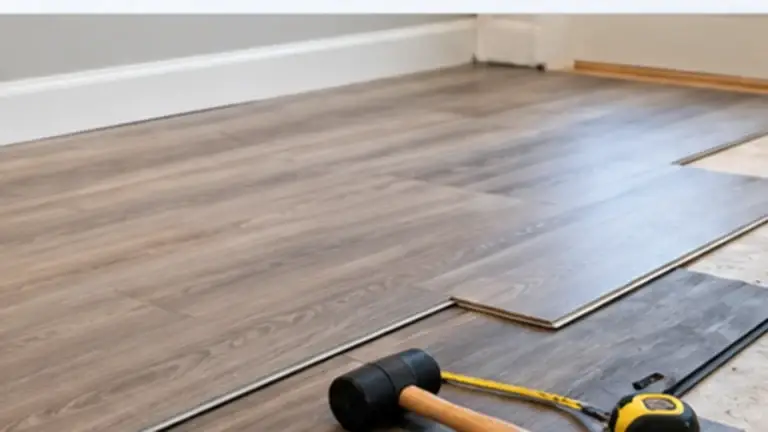
Quick answer: Dry-out and rebuild are different stages. The repair scope should begin after the affected materials and moisture conditions are understood, then connect drywall, flooring, cabinets, trim and paint so the property is returned to a usable finished condition.
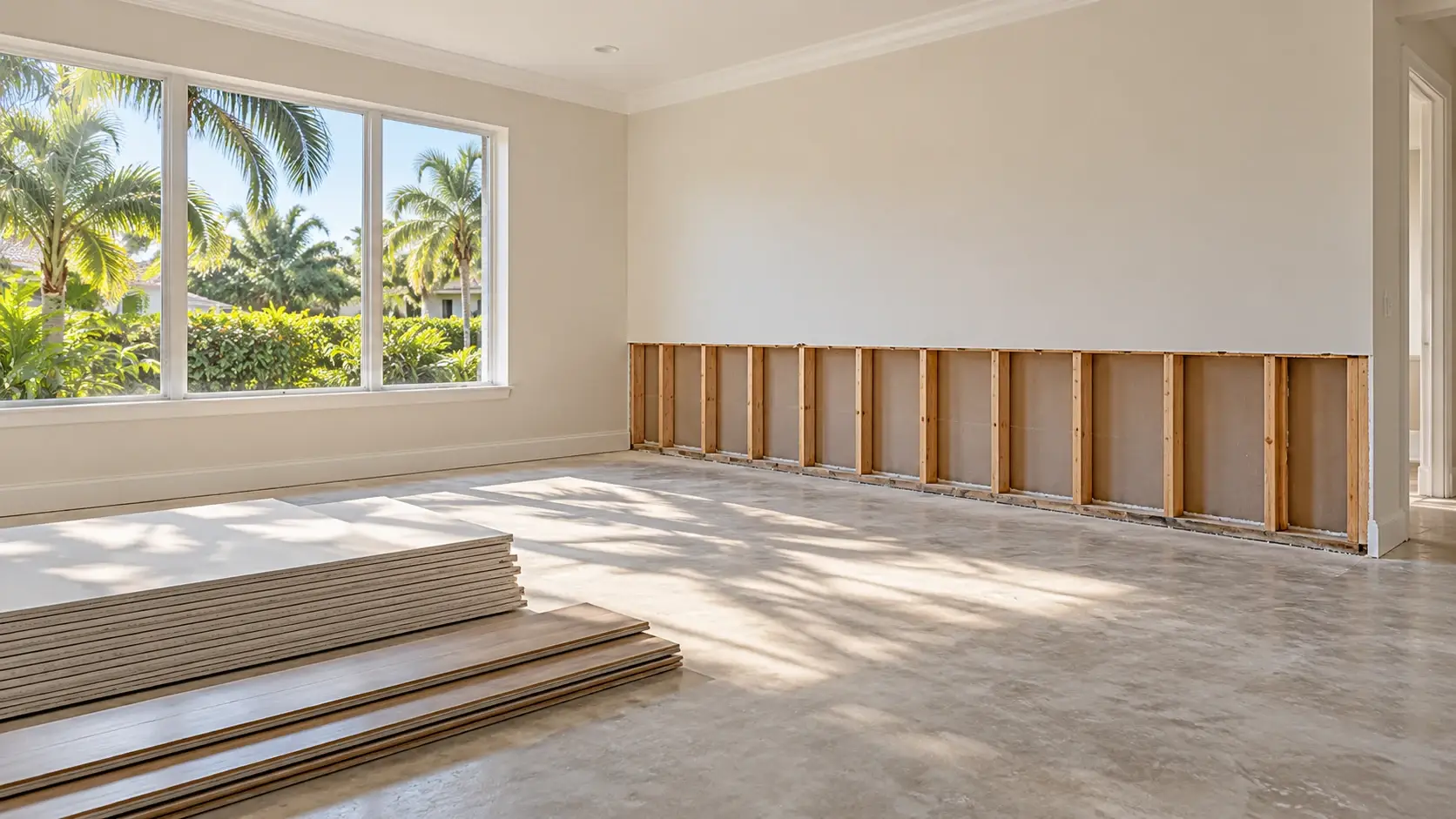
This planning guide supports the existing Water Damage Restoration service. The property review and written estimate define the scope for your home or business.
Document what was affected
Record the rooms, materials and visible boundaries of the loss. Photos and notes help keep the repair discussion tied to the actual affected areas.
Do not cover a readiness question with a finish
New flooring, drywall or cabinets should not be used to hide unresolved moisture or substrate problems. The repair sequence should reflect the condition of the property after mitigation.
Connect the repairs across trades
A water loss can involve more than one finish. Wall texture, flooring transitions, cabinet edges, trim and paint may need to be planned together so the result does not look like disconnected patches.
Questions for the repair estimate
- What materials are being removed or retained?
- Which rooms connect to the affected area?
- What existing finishes must be matched or transitioned?
- Are cabinets, appliances or doors involved?
- What documentation is available from the mitigation stage?
Plan your next step
Review the primary service page, verify company information in the Trust Center, read customer reviews, and request an estimate with the property details that apply to your project.