
Water Damage Restoration · Venice, Florida
Water Damage Restoration in Venice, FL
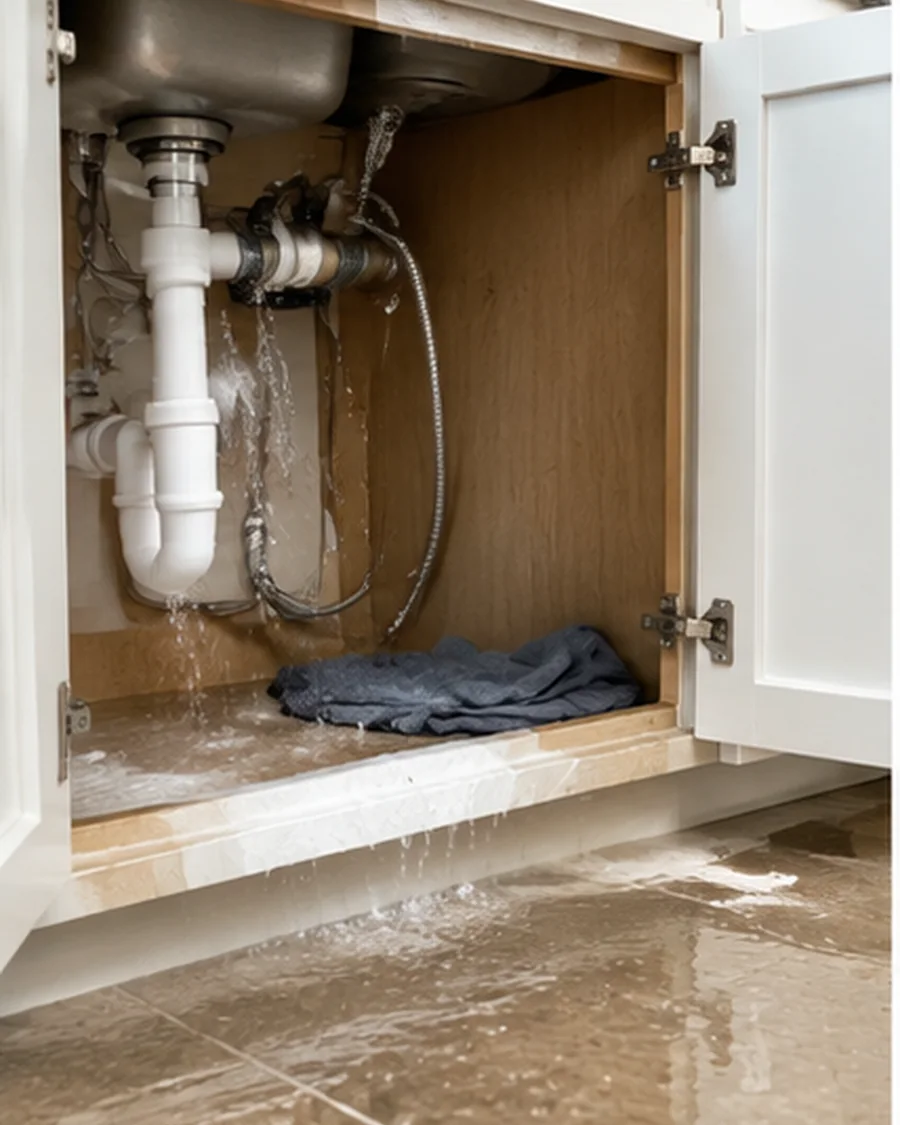
In Venice, water damage can begin with a plumbing leak, appliance failure, A/C drain backup, roof or opening leak, overflow or storm-driven water. FBR serves homes, condos, villas, rentals and commercial interiors where water can travel under flooring, behind baseboards and into cabinetry before surface materials appear dry. The goal is to identify the source, understand how far moisture traveled, dry the affected structure and connect the project to repairs without losing context between phases.
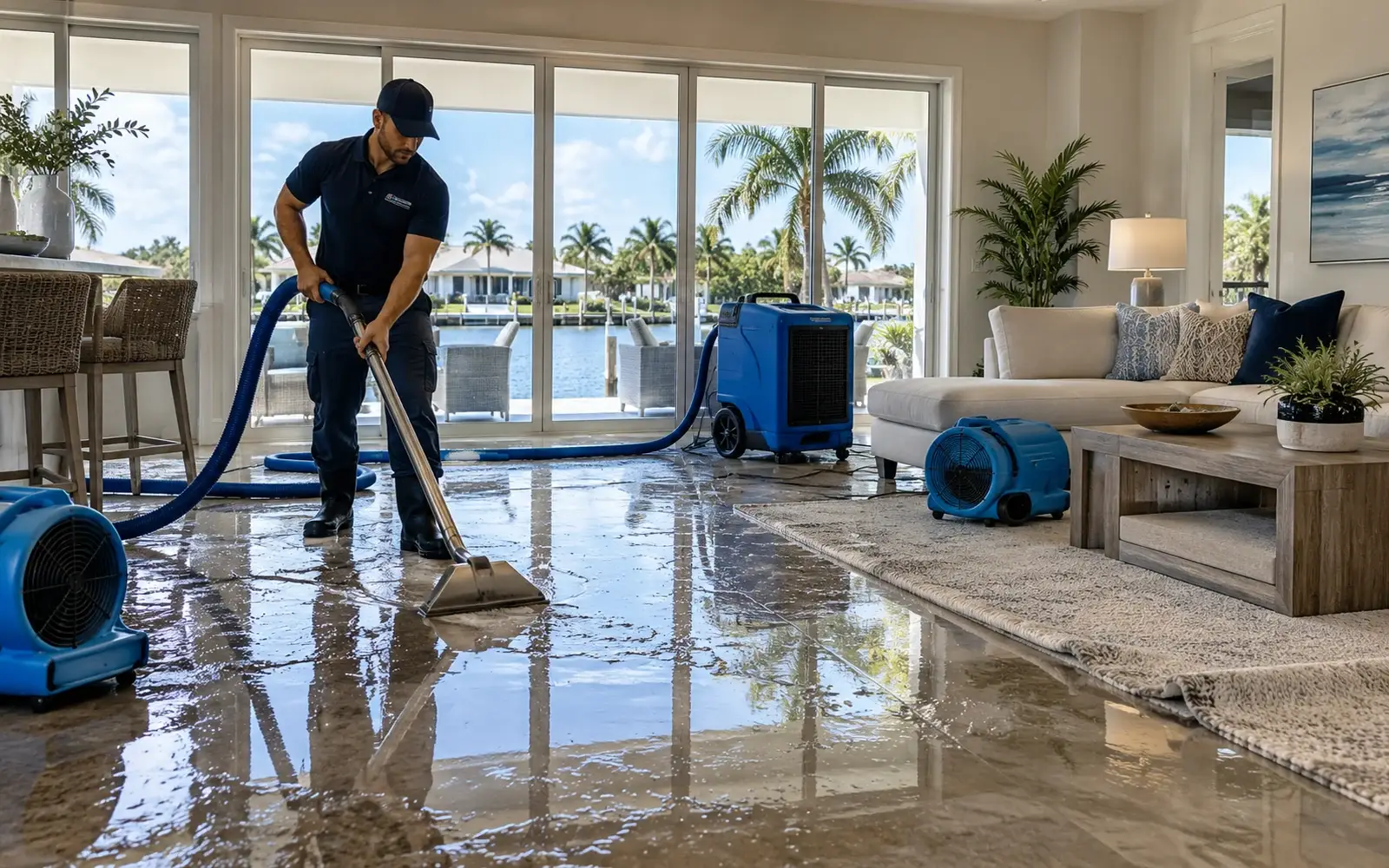
Customer first
What to do first after water damage
If water is still moving through the property, protect people first. When it is safe, stop or isolate the source, stay away from standing water near electrical hazards, move small valuables out of the wet area and document visible conditions before cleanup changes the scene.
Then call with the city, source if known, rooms affected and whether water is still present. FBR can organize the next step around the actual loss instead of forcing every project into the same package.
Direct answer
Who should you call for water damage restoration in Venice?
Florida Builders & Restoration can help connect water removal, mitigation, structural drying and eligible repair/rebuild work under Florida Certified General Contractor CGC1532659. Call (941) 422-5218 for the active-loss path or request an estimate for repair and reconstruction.
Project path
From water removal to finished repairs
The sequence matters because new finishes should not hide an active source or an area that is still wet. The exact scope depends on material type, contamination, access, moisture behavior and what the inspection finds.
Control & document
Confirm the source is stopped or controlled, record affected rooms and identify immediate hazards.
Remove water
Extract standing water and identify wet flooring, drywall, trim, cabinets and connected spaces.
Dry & monitor
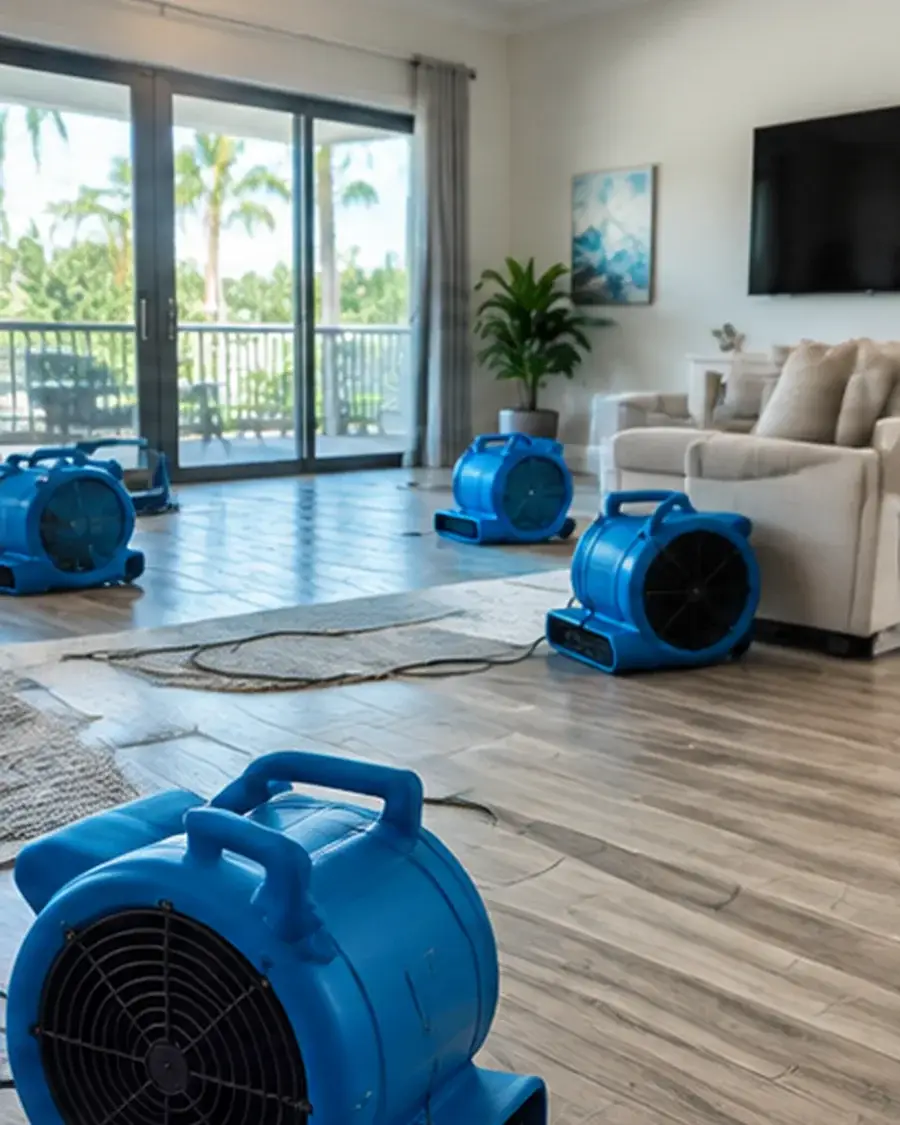
Use air movement, dehumidification and moisture checks based on the materials and assemblies involved.
Remove what cannot stay
Open or remove unsalvageable materials only when the verified scope requires access or replacement.
Repair & rebuild
Restore drywall, flooring, paint, trim, tile, cabinets and other affected finishes after the area is ready.
Water removal & extraction
Remove the water, then find where it traveled
Visible standing water is only one part of a loss. Water can move under floating floors, behind baseboards, into wall cavities and under cabinets. Extraction reduces the bulk water; moisture evaluation helps define what still needs to dry.
FBR reviews wet materials and connected finishes so the repair scope reflects the real affected area. That can include drywall, baseboards, LVP or laminate, wood-look flooring, tile transitions, cabinet toe kicks, trim and nearby rooms.
Mitigation & drying
Drying decisions should be measured, not guessed
Structural drying can involve air movers, dehumidification, controlled access to wet assemblies and repeated moisture checks. Equipment quantities and drying time should follow the loss conditions rather than a fixed number of days.
Materials that can dry in place should not be removed just because they were wet. Materials that cannot remain should not be covered with new finishes. The dry-out and repair phases stay connected through the same project scope.
Repair & rebuild
One path from damage to usable space
After the affected area is stable and ready for construction, eligible reconstruction can include drywall, texture, paint, flooring, tile, baseboards, doors, trim, cabinets and related interior finishes. The estimate controls what is included.
That general-contractor connection matters when a water loss crosses several finish trades. Customers do not have to start from zero explaining the property again when the project moves from mitigation into reconstruction.
Common reasons customers call in Venice
- Broken pipe or plumbing leak
- Toilet, sink, tub or shower overflow
- Dishwasher, refrigerator, washing-machine or water-heater leak
- A/C drain or condensate backup
- Roof, window or door water intrusion
- Storm-driven rain and wet ceilings or walls
- Wet flooring, baseboards, cabinets or drywall
- Repairs after mitigation and dry-out
Representative service visuals
See the restoration path at a glance
These FBR visuals represent common service stages. Actual equipment placement, materials, room layout and repair sequence vary by property; the written scope and site conditions control the project.
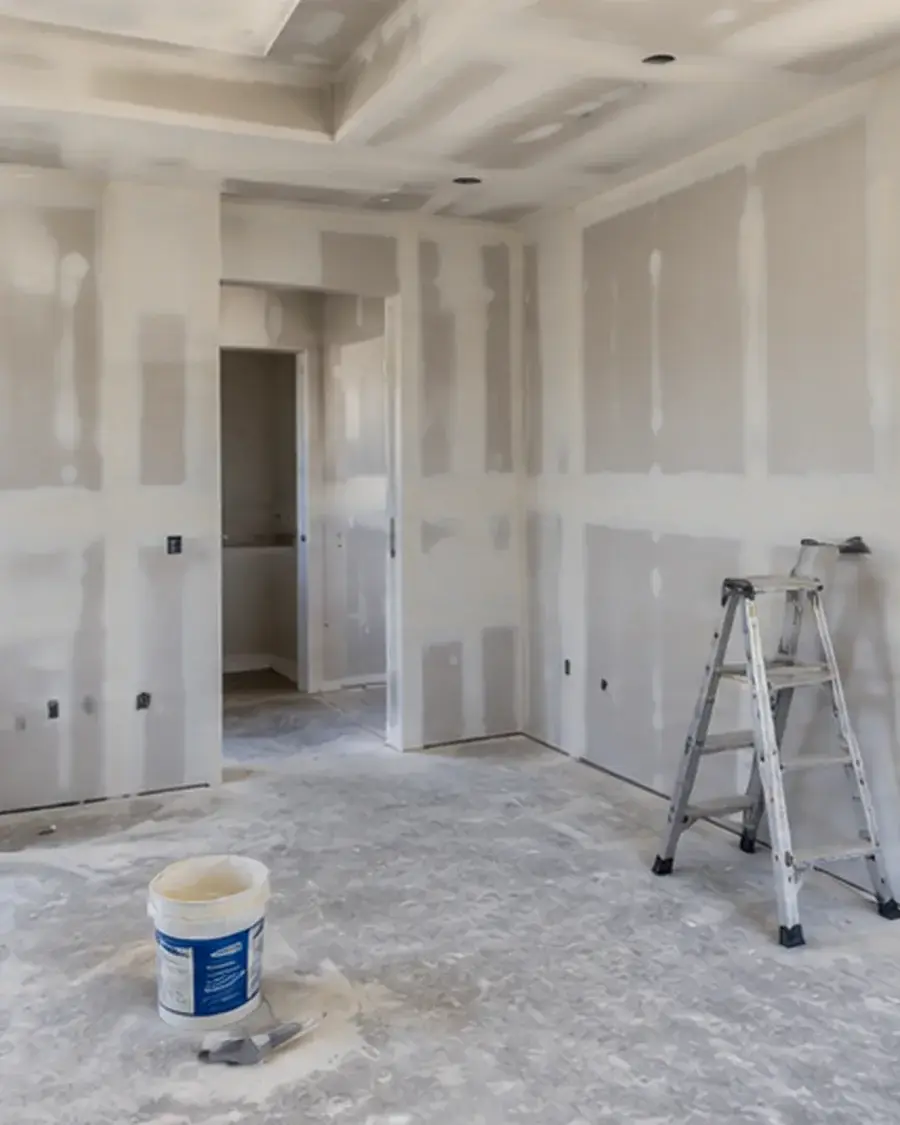 Repair and reconstruction after dry-out
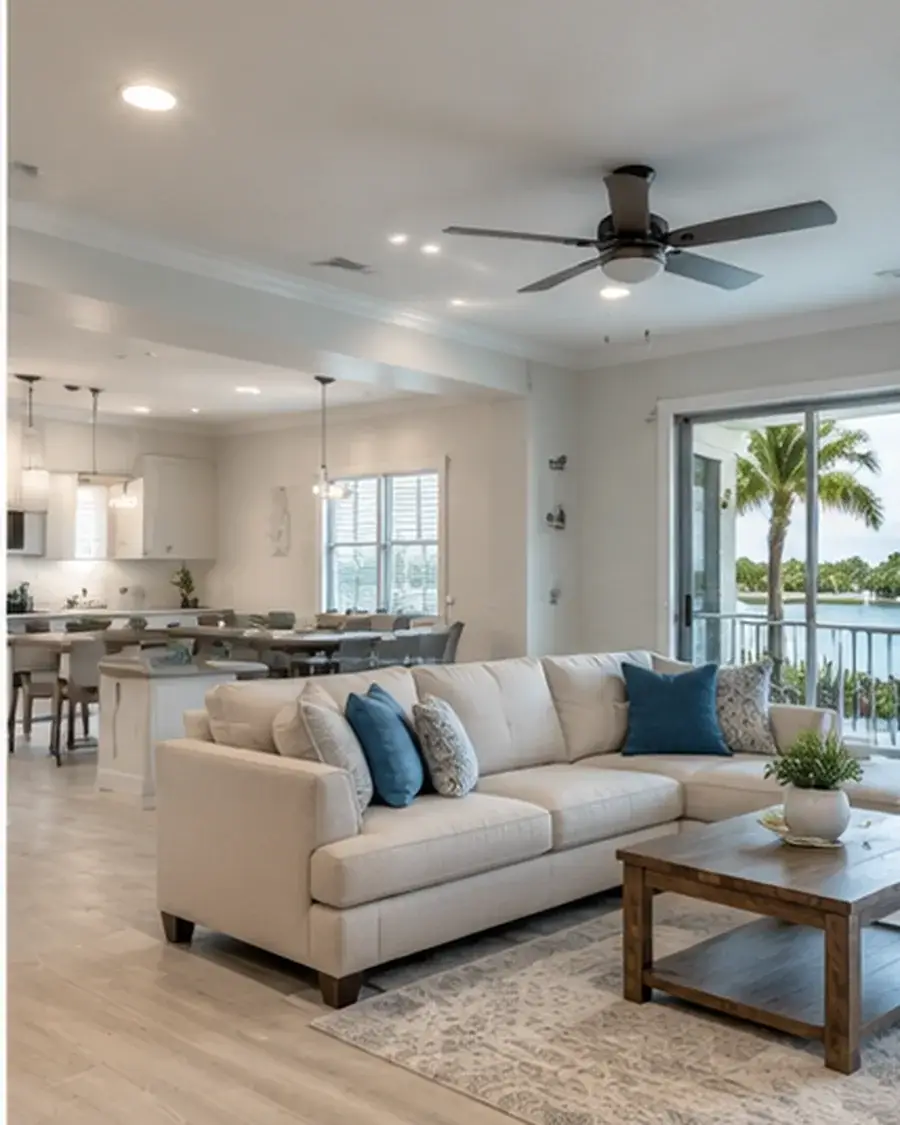 Storm-water intrusion and interior restoration
Local context
Venice and nearby Sarasota County communities
In Venice, water damage can begin with a plumbing leak, appliance failure, A/C drain backup, roof or opening leak, overflow or storm-driven water. FBR serves homes, condos, villas, rentals and commercial interiors where water can travel under flooring, behind baseboards and into cabinetry before surface materials appear dry. The goal is to identify the source, understand how far moisture traveled, dry the affected structure and connect the project to repairs without losing context between phases.
FBR also serves nearby communities by project scope and scheduling. The purpose of this page is to give Venice property owners one useful local restoration path—not to duplicate every core service into a separate city URL.
Sarasota County restoration owners
Browse the established local water-damage pages in this county:
Related services
Use the page that matches the next step
Helpful answers
Water damage restoration questions in Venice
Do you provide 24/7 water damage help in Venice, FL?
FBR provides a 24/7 water-emergency call path for the primary Sarasota and Charlotte County service area. Call (941) 422-5218 and describe the source, rooms affected and whether water is still present.
What is the difference between water mitigation and restoration?
Mitigation reduces additional damage and dries affected materials. Restoration and rebuild work repairs or replaces materials and finishes after the area is ready for construction.
Can wet drywall or flooring always be saved?
No single answer fits every loss. The decision depends on material type, condition, contamination, swelling or delamination, hidden moisture, access and whether the assembly can be dried effectively.
Can FBR repair the property after drying?
Depending on the verified scope, FBR can coordinate eligible drywall, texture, painting, flooring, tile, trim, doors, cabinets and remodeling-quality finish work after dry-out.
Can you help document the repair scope?
FBR can document visible conditions and prepare repair estimates based on the inspected scope. Insurance coverage and claim decisions remain with the applicable insurer and policy.
Do you serve nearby communities?
Yes. Primary coverage includes Sarasota County and the neighboring Southwest Florida service area, subject to project scope and scheduling.
Need water damage help in Venice?
Call for an active water loss or request an estimate for restoration, rebuild and connected repair work.