
Storm Damage Restoration in Sarasota & Charlotte Counties
Wind-driven rain, roof or opening failures and prolonged moisture can create damage that crosses several building systems. FBR helps organize the interior restoration and reconstruction path after storm-related damage.
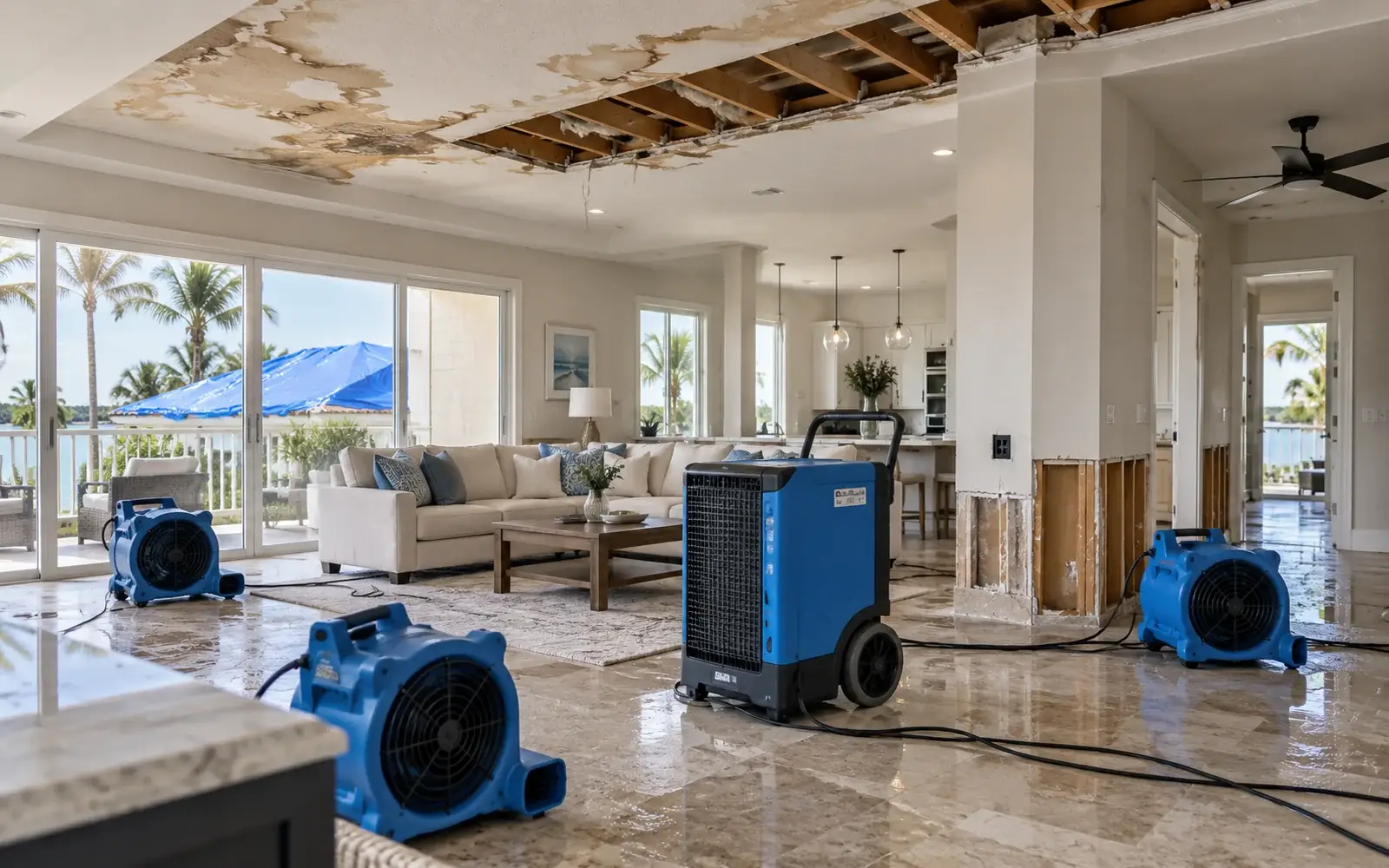
Common reasons customers call for Storm Damage Restoration
Most projects begin with a specific property problem, not a generic package. FBR reviews the actual conditions first so the estimate can match the work that is really needed.
What this service is designed to solve
Storm restoration starts with safety and source control, then moves into documentation, drying, removal of materials that cannot remain and repair of affected finishes. Exterior specialty work is coordinated only when it is within verified scope or handled by the appropriate qualified provider.
Typical project scope
- Storm-related water intrusion assessment
- Interior moisture and material review
- Drying and dehumidification planning
- Selective demolition of unsalvageable interior materials
- Drywall, flooring, trim, paint and finish restoration
- Reconstruction coordination after stabilization
How the work moves from first review to completion
The sequence stays tied to the written scope, access, material conditions and any qualified specialty providers required by the project.
Make the property safe and control active water entry when possible.
Document interior and visible storm damage.
Dry and monitor affected materials.
Remove materials that cannot remain and prepare repair surfaces.
Rebuild the affected interior and complete finish work.
What FBR looks at before work begins
Southwest Florida storms can combine wind-driven rain with failures at roofs, windows, doors and exterior openings. Interior restoration should follow source control, moisture stabilization and then reconstruction in the correct order.
Helpful information before the first review
- Photograph visible damage only from safe areas.
- Do not climb on damaged roofs or enter unsafe structures.
- Use temporary protection only when it can be installed safely.
- Note the rooms affected by rain, wind or water migration.
How connected work is coordinated
- Confirm that active water entry is controlled.
- Map wet interior materials and begin drying where needed.
- Open or remove unsalvageable finishes only within verified scope.
- Rebuild drywall, flooring, trim and finishes after stabilization.
The written estimate controls the actual scope. Listed capabilities are not automatically included in every project.
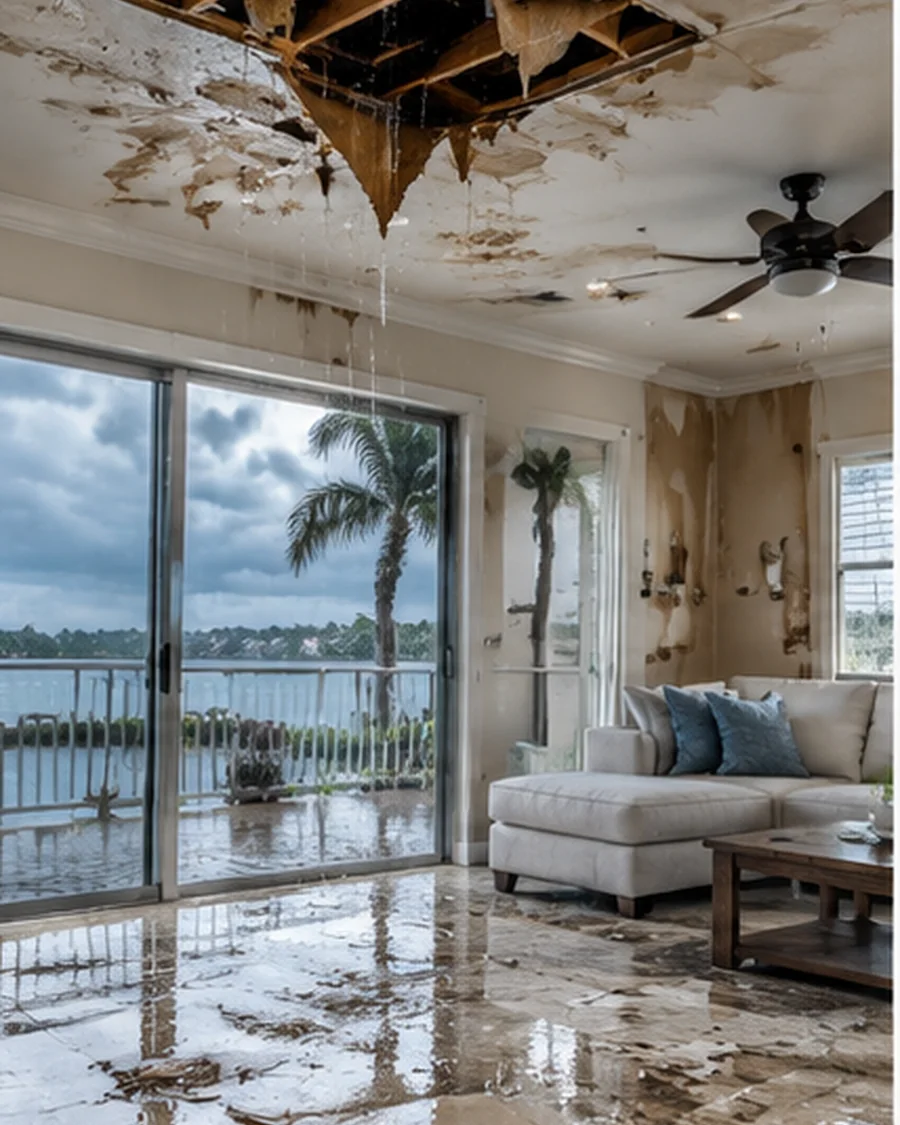
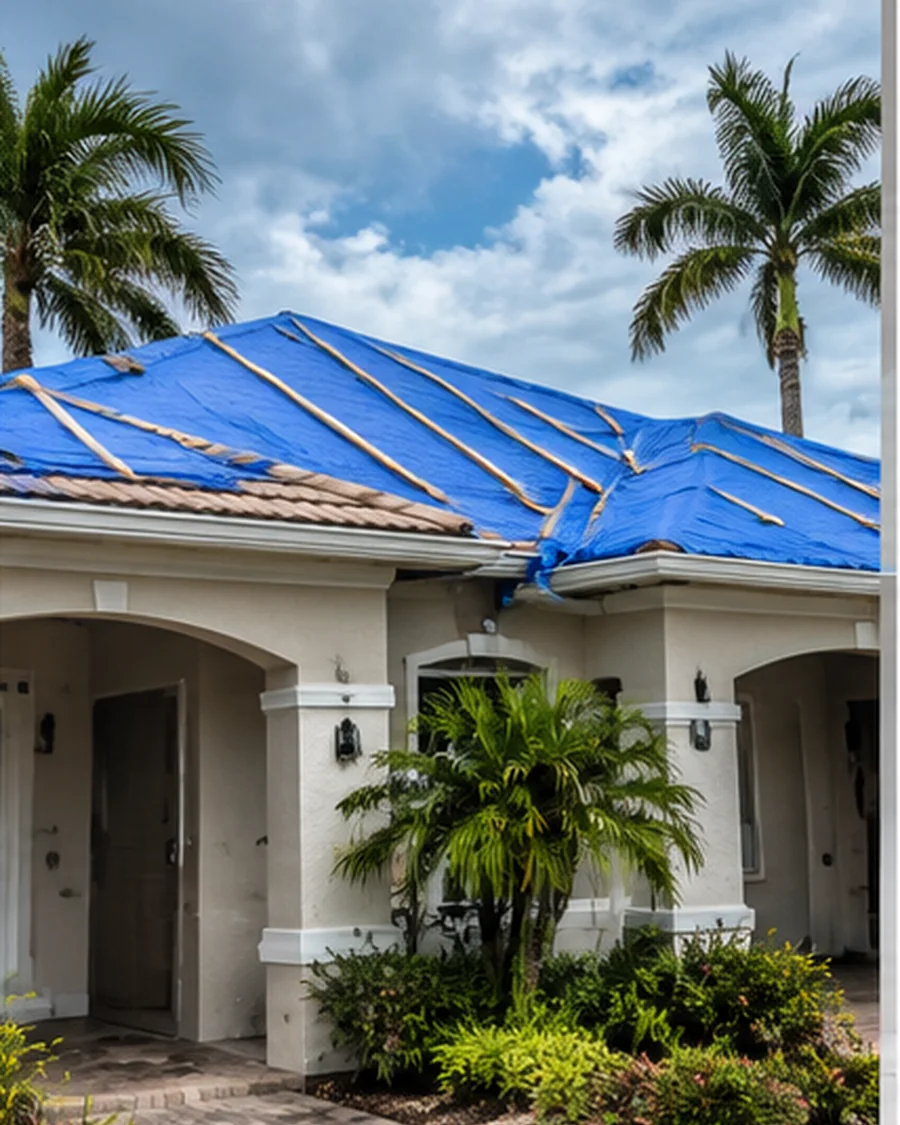
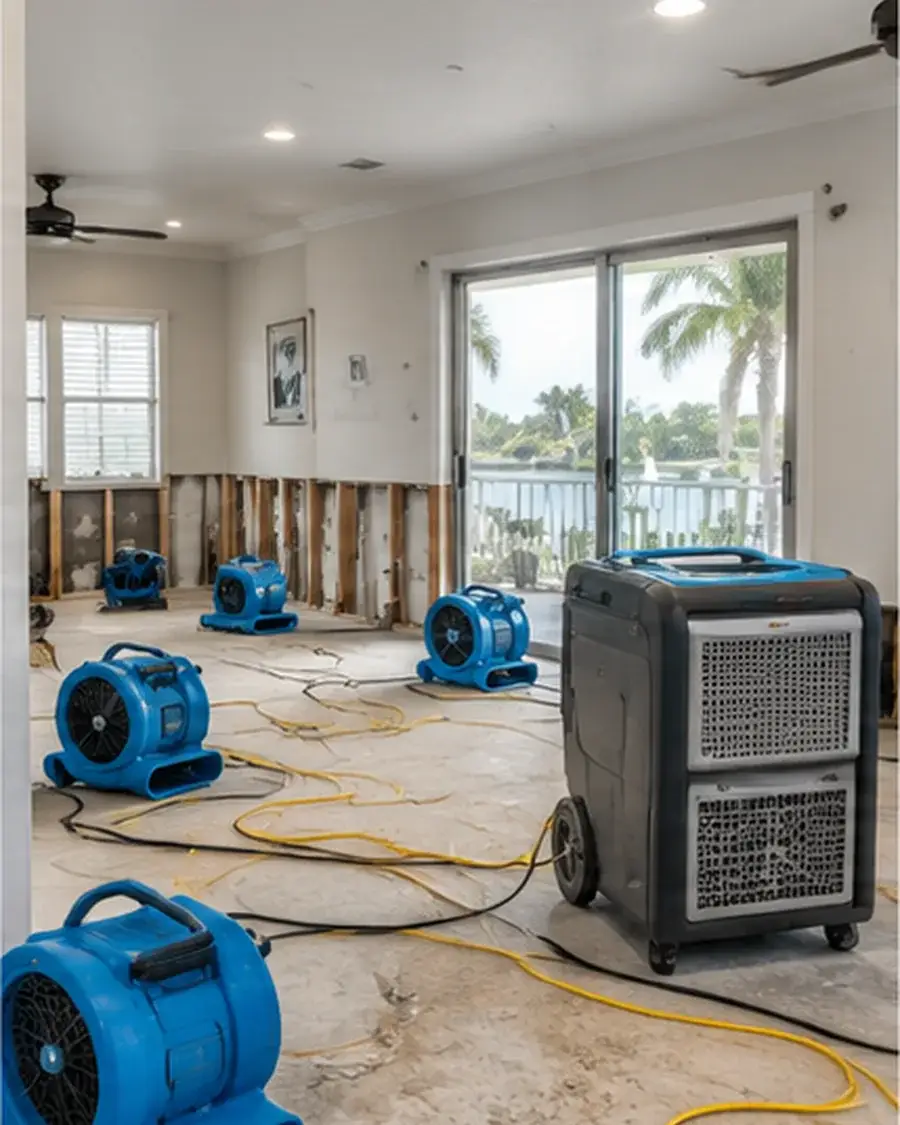
See the work path in a clearer, more realistic way
These visuals help explain common stages and finish outcomes. They are representative planning visuals, not photographs of a specific customer project.

Parts of the property that may be involved
The exact combination depends on the inspected project, existing conditions, selected materials and the approved estimate.
Storm Damage Restoration across Sarasota County & Charlotte County
Florida Builders & Restoration serves residential and commercial properties across Sarasota County and Charlotte County. Use the city lists below to review our primary local coverage; nearby communities are considered by project scope and scheduling.
Sarasota County
Sarasota, North Port, Venice and nearby county communities are served based on project scope and scheduling.
Charlotte County
Port Charlotte, Punta Gorda, Englewood and nearby Charlotte County communities are served based on project scope and scheduling.
Questions property owners ask
What storm damage do you restore?
Common interior scopes include storm-driven water intrusion, wet drywall, damaged flooring, trim and finish repairs, plus reconstruction after stabilization.
Do you handle roof repairs?
Roof or other specialty scopes are handled only when they are within verified company scope or coordinated with the appropriate qualified provider.
Should I document the damage before cleanup?
When it is safe, photos and a simple record of affected areas can help organize the scope and project history.
Can storm damage turn into a moisture problem?
Yes. Water trapped in materials can continue affecting the property, which is why moisture evaluation and drying may be part of the restoration plan.
What should be repaired first after storm water intrusion?
The active source should be controlled first, followed by safety review, moisture assessment, drying and then repairs to materials that cannot remain.
Can interior repairs begin while the roof is still leaking?
Interior reconstruction should not hide an active source. Temporary or permanent source control should be established before finishes are closed.
Does storm restoration include water drying?
When water enters the building, the scope can include moisture checks, drying and selective access before reconstruction begins.
Storm-damage planning
Plan Storm-Damage Restoration With a Clear Next Step
Storm-damage project sequence
Document the affected areas first, identify immediate water or damage-control needs, then separate those needs from drywall, flooring, trim, paint and other reconstruction work. The repair sequence should follow verified site conditions.
Review customer feedback before restoration work
Use the customer review page to check current public feedback before scheduling storm-damage restoration or connected repair work.
Storm repair sequence
When should a storm-damage repair contractor become involved?
Interior repair should begin after immediate safety issues and active water entry are controlled. The next step is to document affected rooms, check moisture conditions, remove only materials that cannot remain, and plan reconstruction around what the property actually needs.
Stabilize first
- Keep people away from unsafe areas.
- Control the active source through the appropriate qualified provider.
- Document visible interior damage from safe locations.
Then rebuild
- Dry and verify affected assemblies.
- Define drywall, flooring, trim and paint repairs.
- Do not close finishes over an active leak or unresolved moisture.
For customer proof and company verification, see customer reviews and the FBR Trust Center.
Explore storm damage restoration by location
Choose the service page for your property. FBR confirms the work, availability and next step for your address.
FBR MANAGER OFFICE
Let's plan your next step.
Start with storm damage restoration. Add related work and send one project request.
Build my project request →Scope, price and scheduling are confirmed with FBR. Prefer to call? (941) 422-5218