Active source and immediate safety
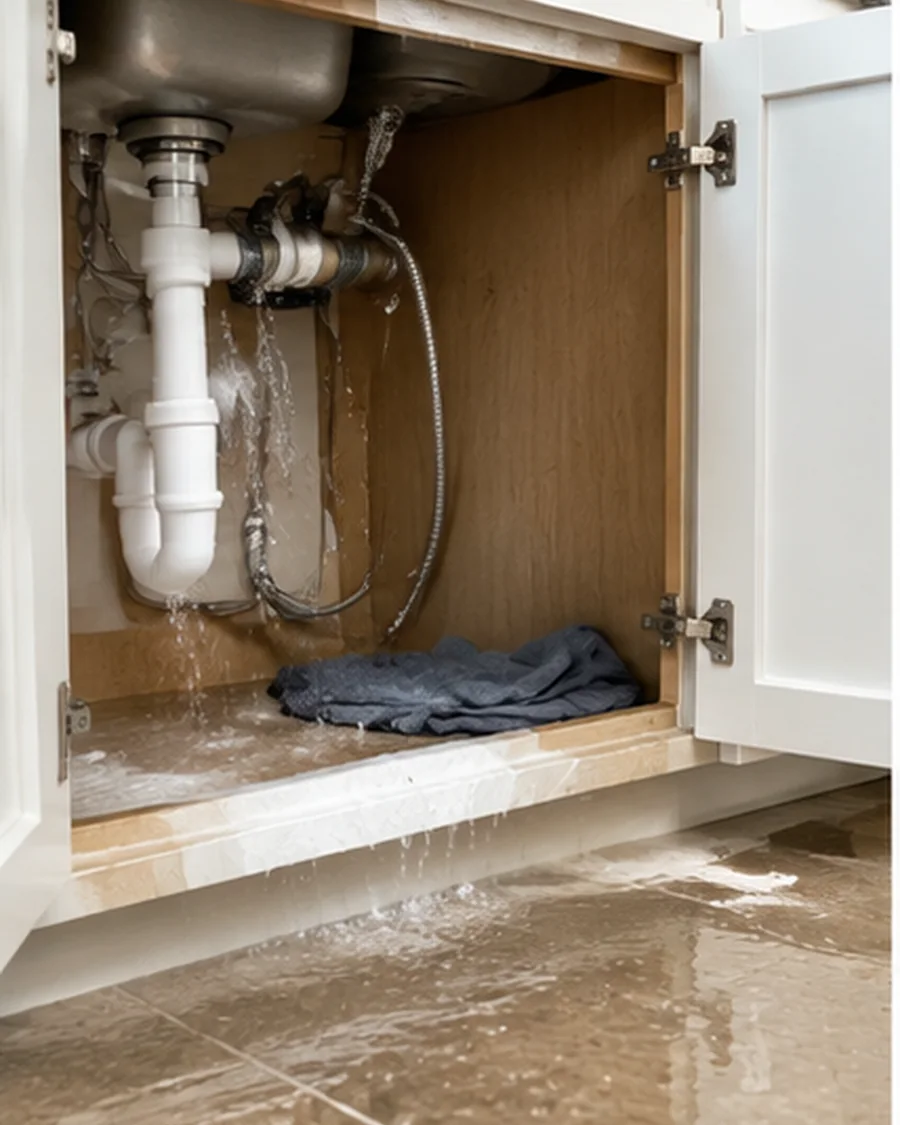
If water is still entering the building, the first decision is whether the source can be stopped safely and whether electrical, ceiling or structural conditions limit access. Emergency work should not trade speed for unsafe entry.
Visible water versus hidden migration
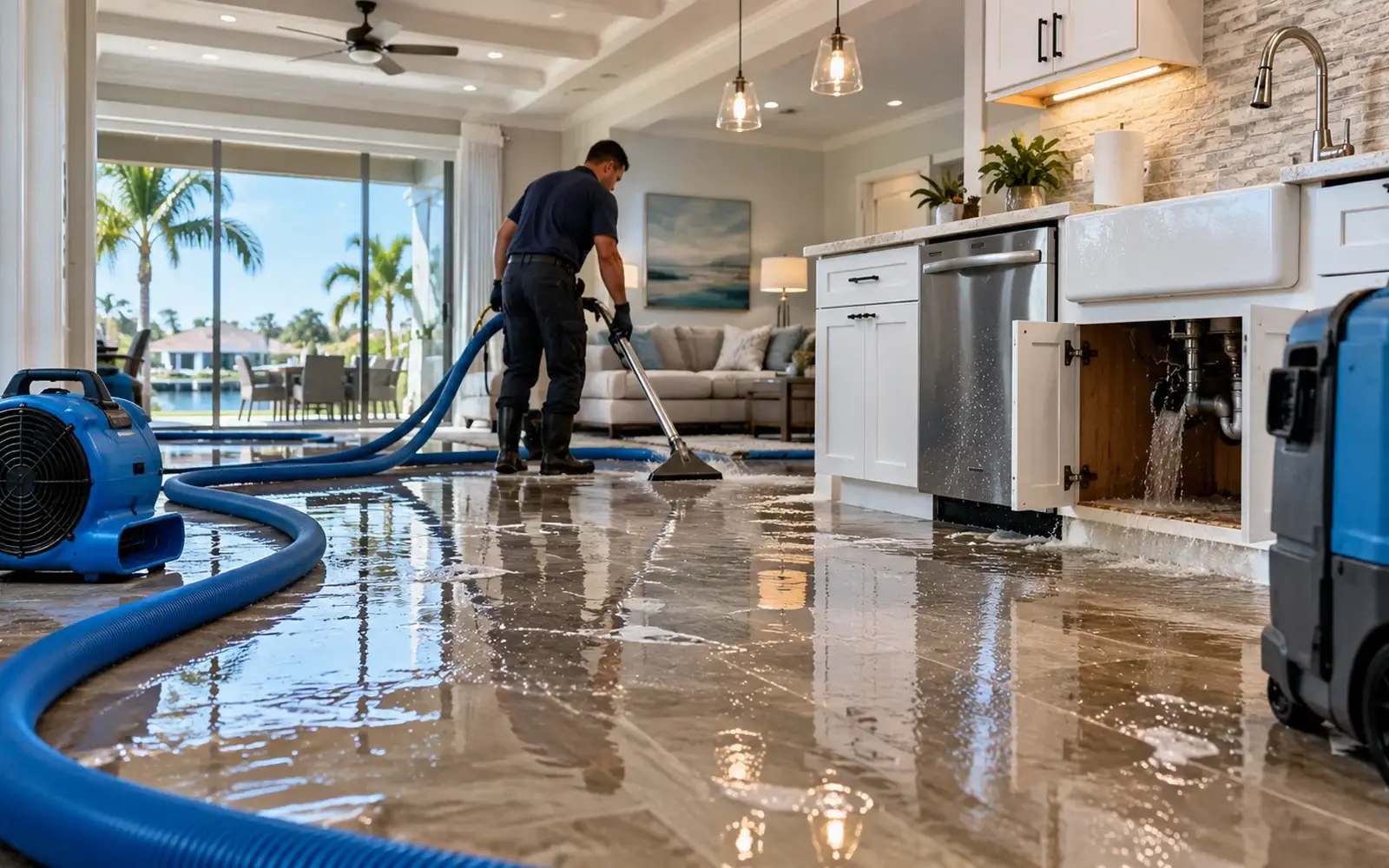
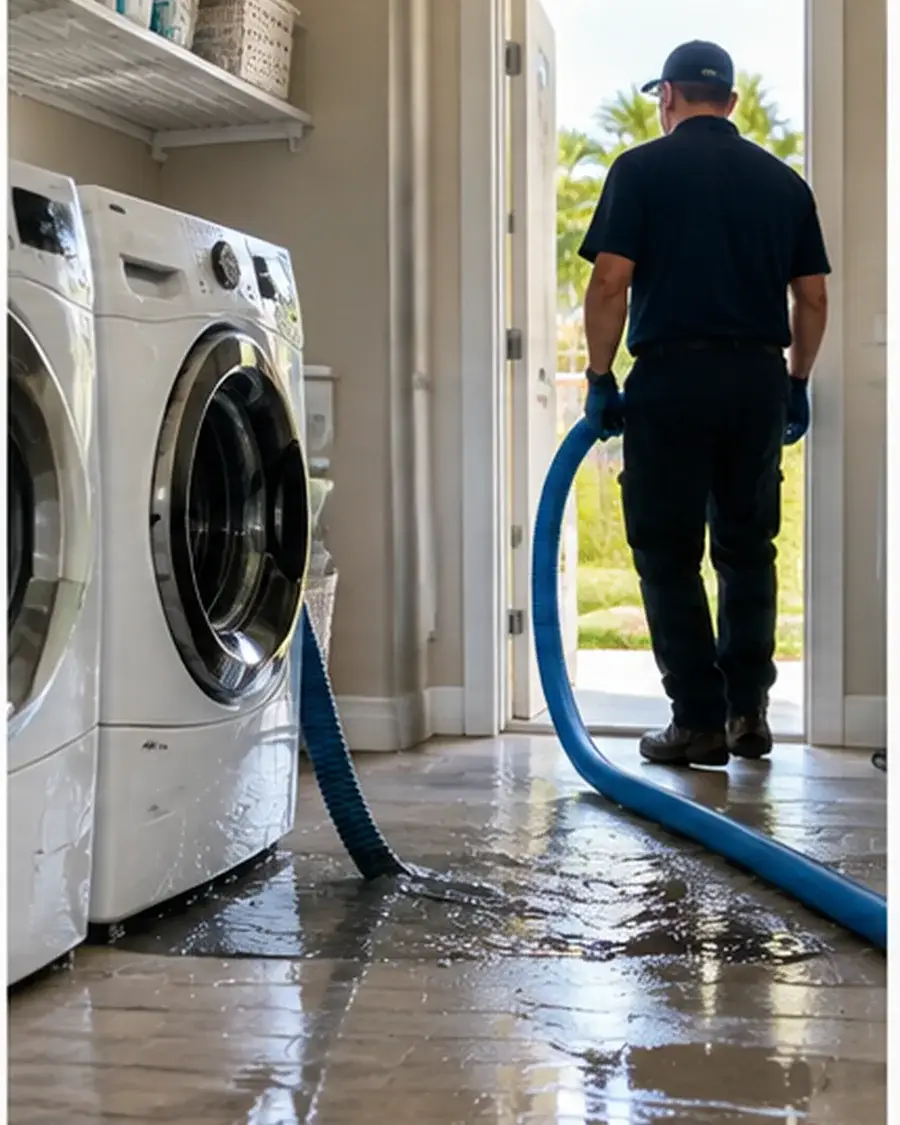
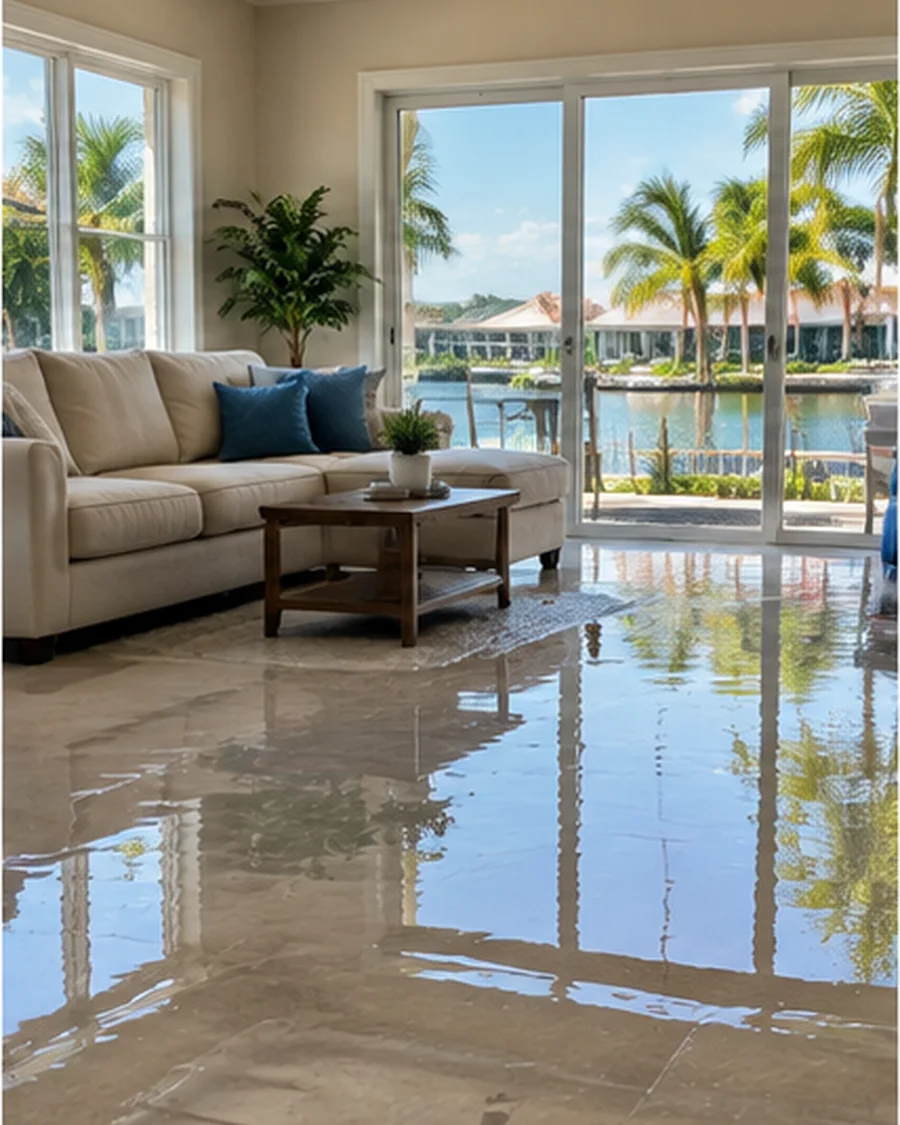
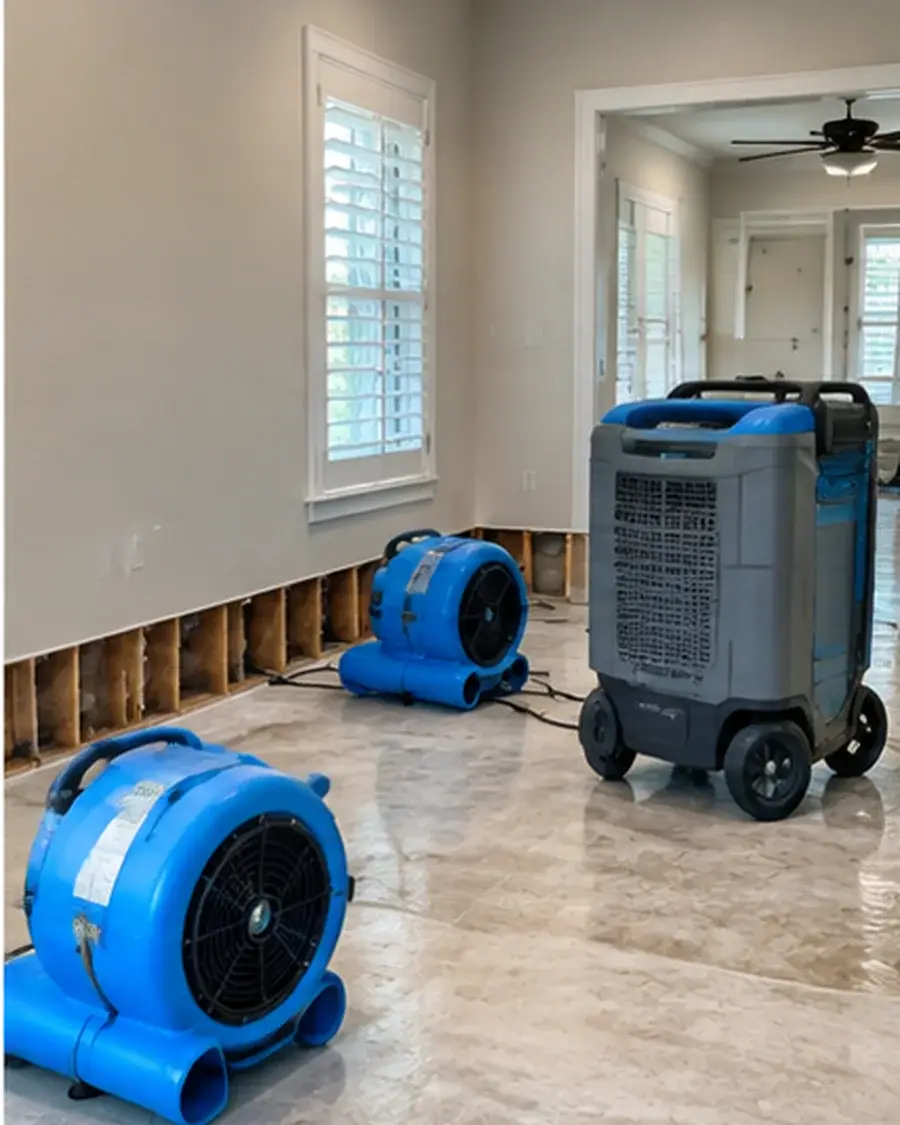
A puddle can be removed quickly, but moisture may continue under floating floors, behind baseboards, below cabinets or inside wall cavities. The response plan should distinguish surface extraction from the moisture mapping needed to understand the full affected area.
Materials that may dry versus materials that may need removal
Different assemblies react differently to water. Drywall, insulation, trim, cabinets and floor systems are evaluated by condition, exposure and access. Removal decisions should follow the actual material condition and repair plan instead of assuming every wet finish must be demolished.
Occupied homes and business continuity
Access, furniture, pets, tenants, office hours and usable rooms can change how emergency work is staged. Florida Builders & Restoration organizes the work path around the property so extraction, drying and later repairs can move forward without losing track of what the customer still needs to use.
Documentation before the repair phase
Photographs, moisture observations and clear scope notes help preserve what was found before finishes are repaired. This does not determine insurance coverage, but it gives the owner, contractor and other project participants a clearer record of the loss and the work performed.